
Resource Conservation: Using More responsibly what we have.
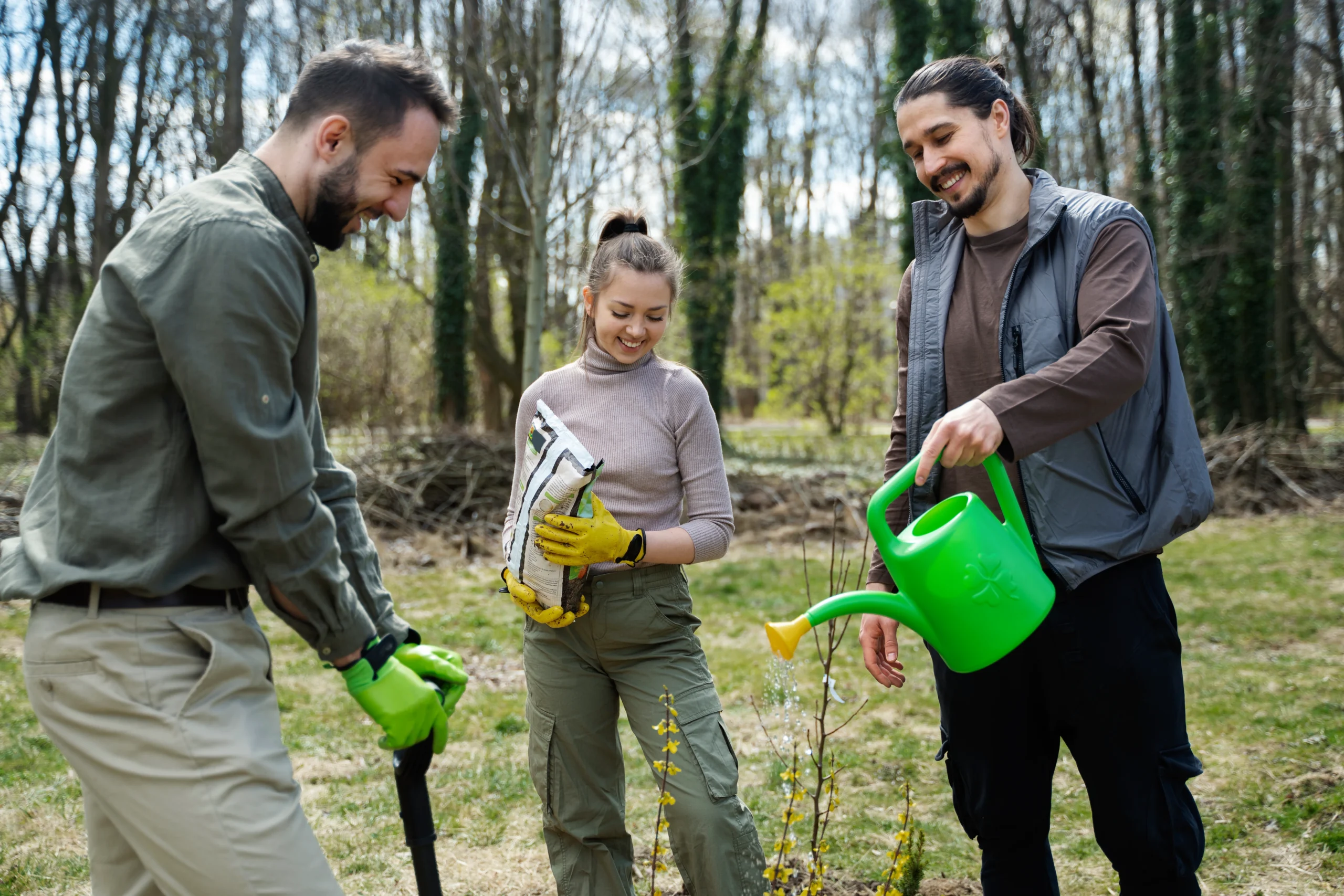
The modern life is based on natural resources, as it helps to produce food, energy, to provide transportation and comfortability. It is based on this reliance that the resources are used without regard to their availability or the long-term constraints. Resource conservation aims at covering the usage of materials, energy and water, as well as the possibility to preserve them with conscious actions. Awareness enables people to realize that the way people use them today will have a direct impact on the availability tomorrow.
Shop a premium THCA ounce, enjoy a smooth THCA cart, or experience the classic flavor of Sour Diesel THCA for a powerful and aromatic cannabis experience.
One of the most noticeable fields in which conservation is very important is on energy consumption. Overuse of energy exerts pressure on the environment and hastens the speed at which available resources are depleted. The casual routines of turning off the unused appliances, creating scanty use of them, and consciousness on consumption habits will help in the conservation efforts. Being carried out regularly, such measures lessen the pressure on the environment in the long term.
Another important resource that ought to be managed responsibly is water. Personal use, cleaning, and cooking activities that people use water everyday usually consume more water than required because of unawareness. Water conservation secures ecosystems, maintains the balance in agricultural activities, and secures the use of the same in the future. Knowledge makes consumption of water a choice rather than a habit.
Resource depletion is greatly affected by material consumption. Constant renewal of the items that can be used brings unnecessary pressure on the raw materials. Reusing, repairing, and mindful shopping is one of the methods of extending product life and minimizing waste. The conscious use of materials helps in achieving sustainability through reduced pressure on extraction and production.
Food waste is a significant conservation problem that is silent. Unneeded disposal has been caused by poor planning, excessive buying, and ignorance. Mindful consumption of food saves on resource wastage and environmental degradation. The awareness leads to the respect of resources used in food production.
The use of resources also depends on transportation patterns. These include fuel usage, emissions and infrastructure overload depending on travel decisions. Effective transportation practices minimize the demand or environmental impact. Minimal alterations add up to significant outcomes.
Resource conservation is good not only to the environment but also to economic and social stability. Sustainable consumption assists in times of scarcity or failure. The consciousness enhances flexibility and readiness.
Observing the utilization of resources can be used to know where to improve. Following consumption creates responsibility and consciousness. Progress is supported by a measurement.
Conservation is based on individual responsibility. The collective action starts with individual action. Consciousness relates actions to consequences.
The conservation of resources is an ongoing process. Knowledge results in a steady growth. Responsibility is based on balance.